
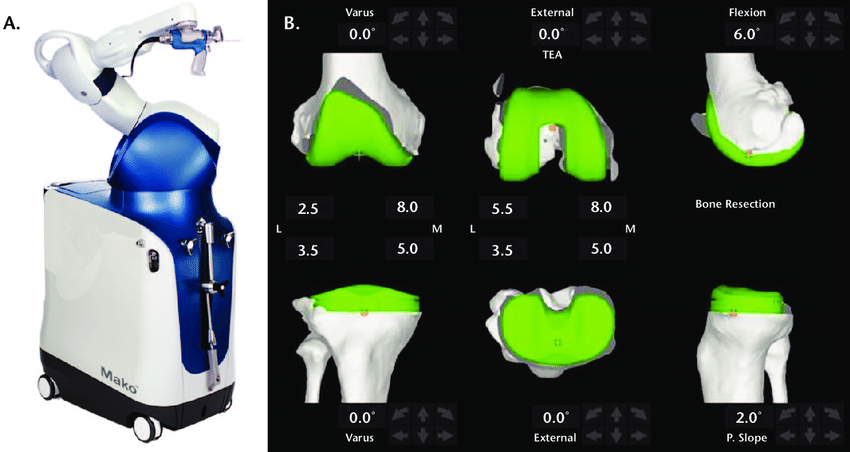
A high-resolution CT scan of your knee is used to build a 3D model of your joint, including bone, cartilage, and alignment. Your surgeon uses this model to plan implant positioning and joint balance.
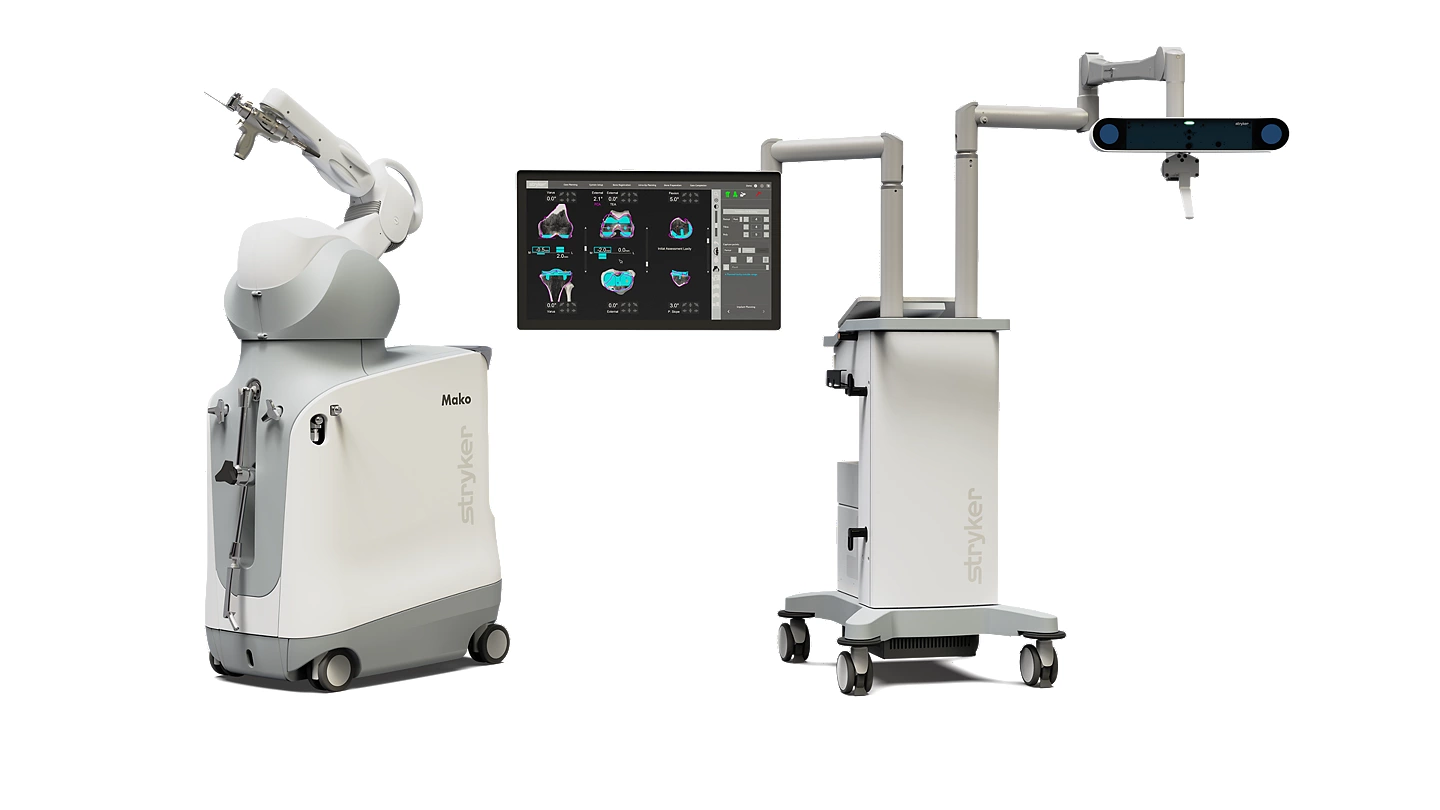
During surgery, the robotic arm guides the bone cuts within the constraints of your personalized plan, thanks to haptic feedback (AccuStop™), which prevents deviation beyond safe boundaries.
Once bone preparation is complete, the knee implant is placed, and the surgeon can make fine adjustments based on real feedback to optimize alignment and balance.
After verifying positioning and stability, the incision is closed. Postoperative protocols begin immediately for pain control and mobilization.


Many insurers cover robotic-assisted TKA under the same policies as conventional TKA. Our team will help verify coverage, manage prior authorizations, and assist with cost discussions.

RegenOrtho Palm Beach delivers concierge orthopedic, podiatric, regenerative, and vein care with trusted expertise, innovative treatments, and compassionate support.

Designed and developed by NOA Firm